
The Greendale Effect: ⚡️ The Definitive Health News Deep Dive into the Community Movie ⚡️
By [Mian Hamid] Health Desk | For U.S. Readers | Celebrity Health & Wellness Journey Feature
Six Psychological Lessons, The Real-World Loneliness Cure, and How the Cast Stays Sane Amidst Production Chaos
If you’re a millennial or Gen Z fan of Community who cares about mental wellness, self-improvement and work-life balance — this article is written for you. We’re going far beyond “where are they now?” cast updates. We’re digging into what the show actually teaches about mental and physical health, how the cast is dealing with real production challenges and summarize actionable, share-ready takeaways for your own life.
1. The Psychological Blueprint of Greendale
Let’s dig into three of the core characters — not just as funny tropes, but as psychologically rich archetypes with mental-health resonances. (We’re not diagnosing, but drawing clear analogues.)
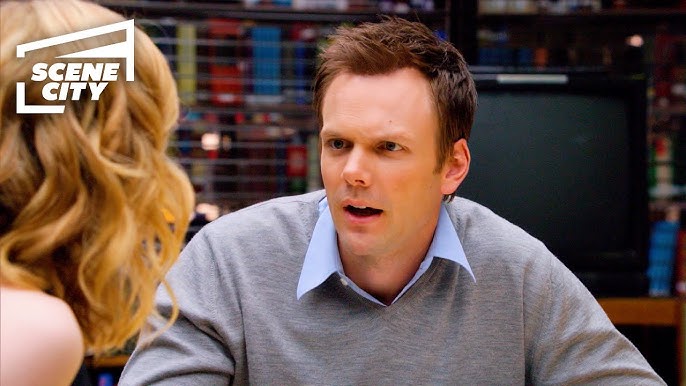
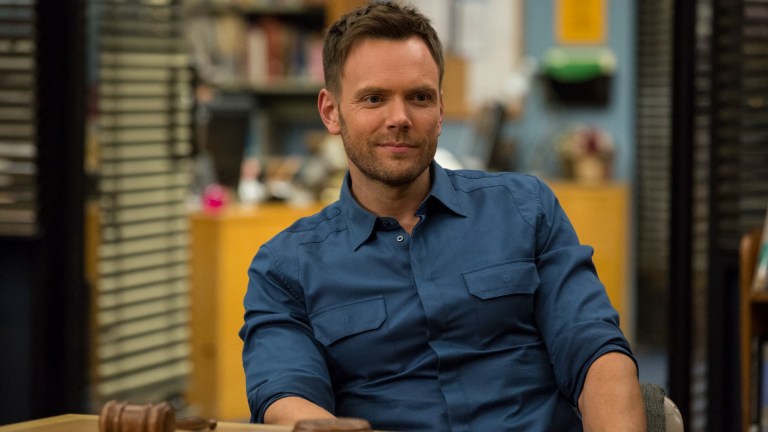
Jeff Winger (played by Joel McHale) – Narcissism, Boundary Issues & Therapy Arc




-
Jeff begins the series as a washed-up lawyer whose big thing is charm, smarts, self-interest. He’s a textbook narcissistic-leaning character: “look at me”, “I can get away with this”, self-worth tied to external validation.
-
But over the seasons we see a gradual therapy-style arc: he forms real connections, owns his flaws, and begins to struggle with identity beyond being “the guy who wins”. Episodes like “Remedial Chaos Theory” show him facing existential stakes and uncertainty.
-
From a mental-health lens: Issues of narcissistic vulnerability, boundary-setting, fear of insignificance. The show uses comedy to sketch a character learning that “group” > “solo win”.
-
For modern wellness: Jeff’s journey mirrors many of us who build identity around work/achievement and neglect emotional life. His transformation shows that purpose, empathy and connection can heal that emptiness.
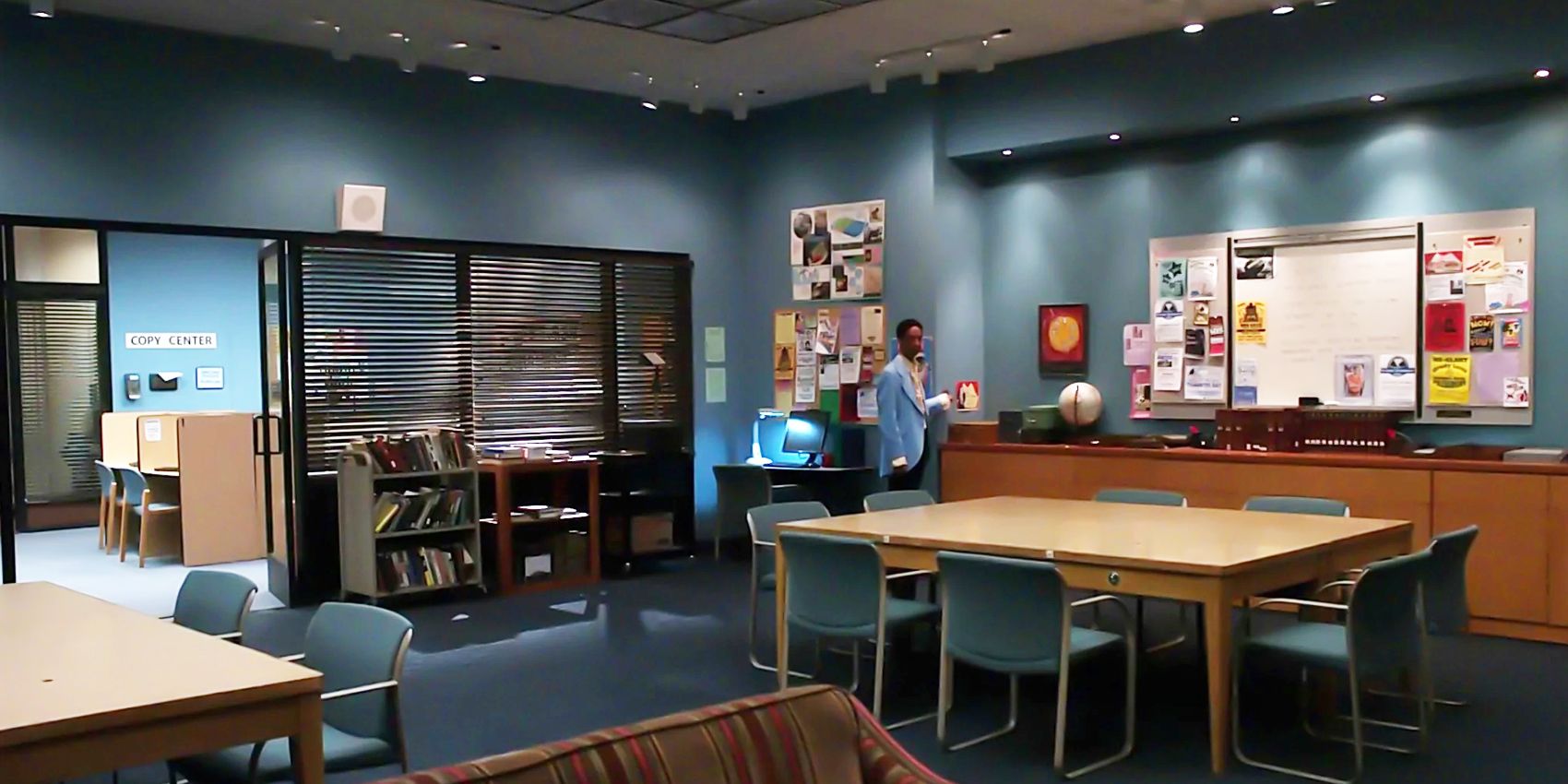
**Abed Nadir (played by Danny Pudi) – Neurodiversity, Coping Mechanisms & Self-Acceptance




-
Abed’s social style, literalism, intense fandom, and difficulty reading social nuance have led many viewers and writers to interpret him as an autistic-spectrum character. While the show never formally diagnoses him, creator Dan Harmon has acknowledged Abed was written with such traits in mind. (NeuroClastic)
-
His habit of reframing real life as TV/movies (“this is exactly like Law & Order”) is both a coping mechanism and a lens for meaning-making. He often uses meta-narrative to manage anxiety and difference.
-
Psychologically: Abed represents neurodiversity, the value of different thinking styles, and how belonging —not “normality”— is key.
-
Self-improvement angle: His arc reminds us that finding our people, our “language”, our tribe (even if unconventional) is essential for wellbeing.
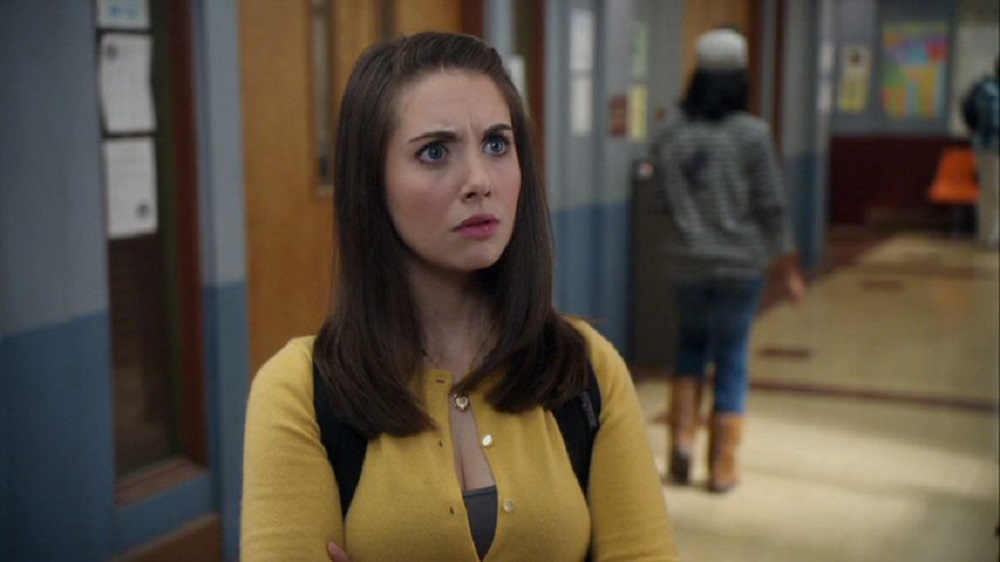
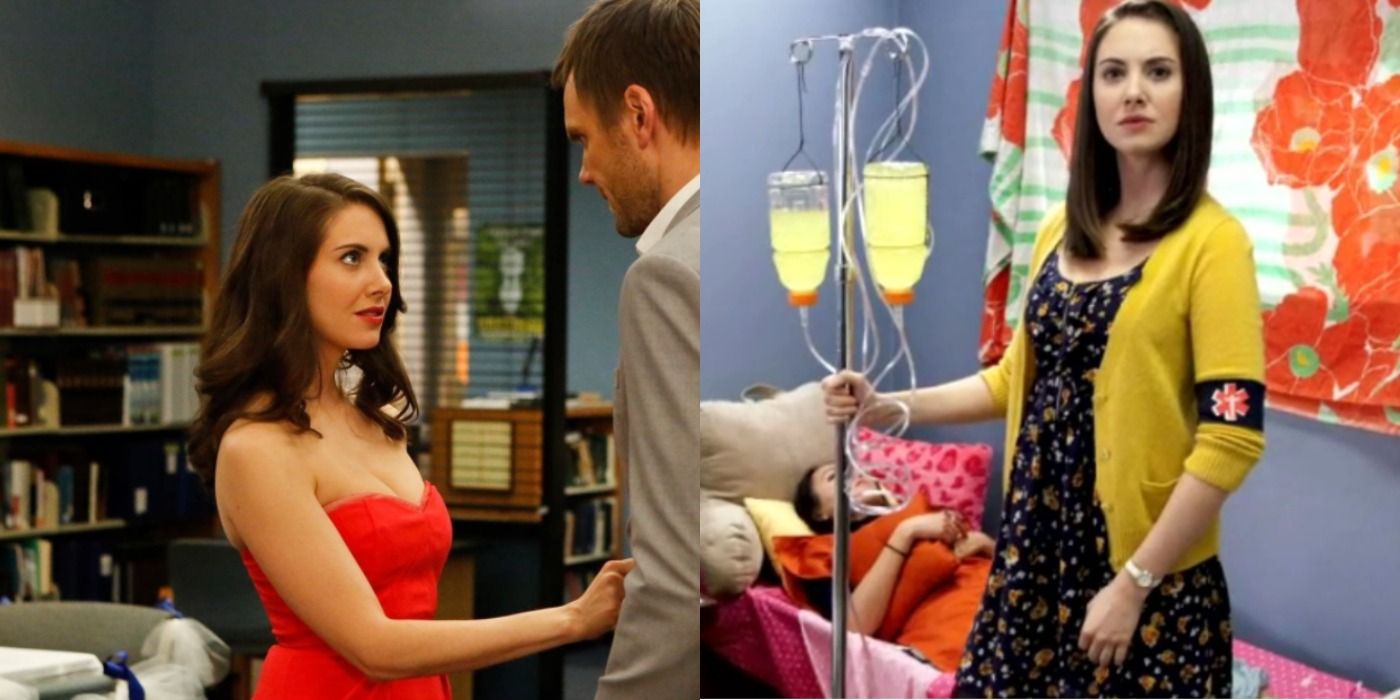
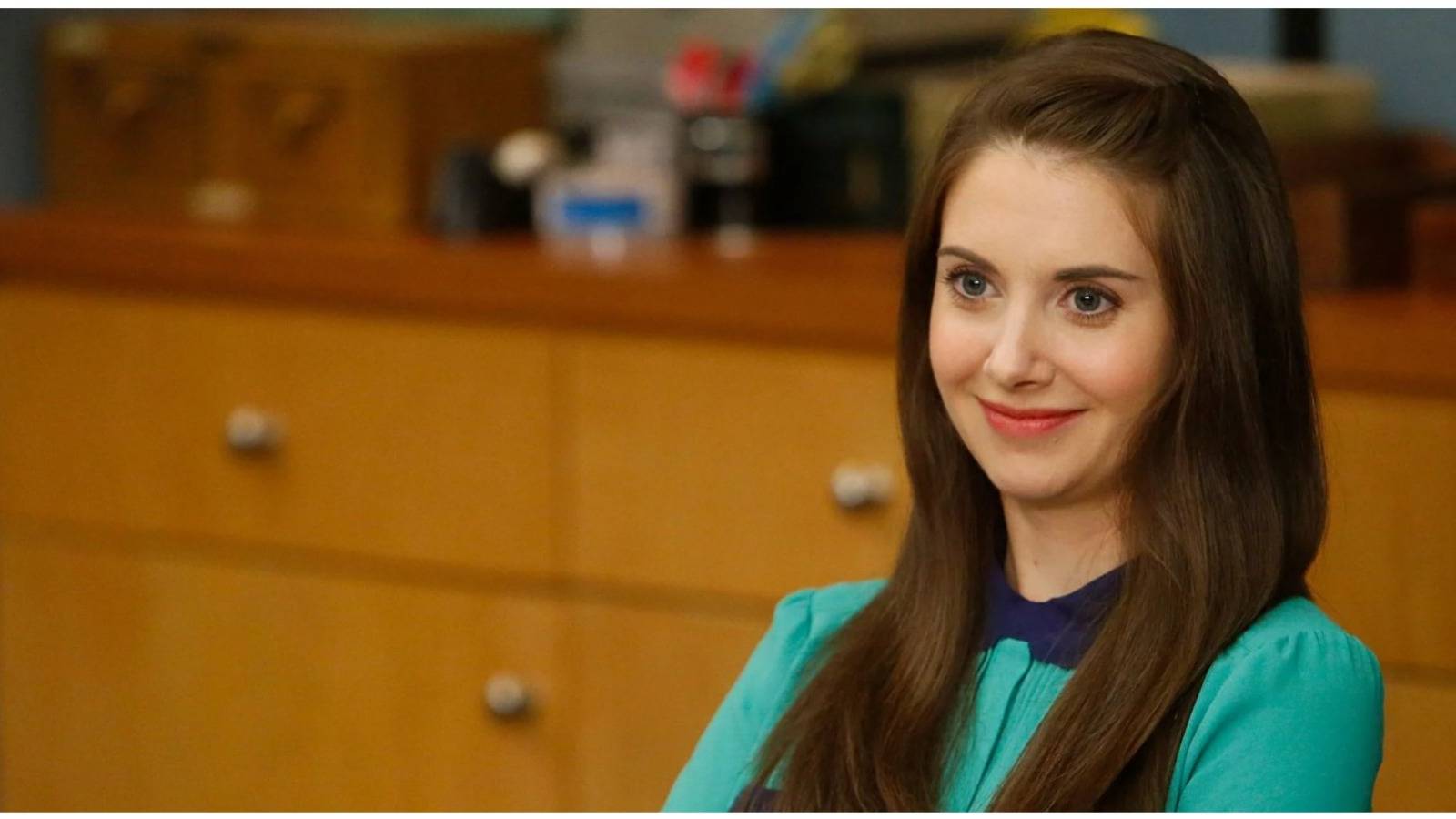
**Annie Edison (played by Alison Brie) – Perfectionism, Anxiety & Growth


-
Annie starts as the hyper-driven overachiever: straight-A student, eager, rule-follower—but underneath: deep anxiety, fear of failure, identity fused with academic success.
-
In episodes where she falters (e.g., when her perfectionism causes social strain), the show subtly portrays anxiety and the cost of chasing “perfect” identity.
-
From a mental-health lens: This is a classic case of performance anxiety, overcontrol, identity fusion with success.
-
For you and me: Annie shows that striving is fine — but anxiety and burnout often follow when we equate worth with performance and neglect emotional rest.
Bonus: Episode Cases & Theme-Weaving
-
“Remedial Chaos Theory” (Season 3) is an excellent breakdown: multiple timelines, the luck die roll, showing how small choices yield radically different lives — a therapeutic metaphor for control vs. surrender.
-
Documentary-style episodes (“Documentary Filmmaking: Redux”, etc) highlight self-reflection, external gaze vs internal truth.
-
The “study group” itself becomes the therapy group: that’s no accident.
2. The Power of Found Family: How The Study Group Beats the Loneliness Epidemic
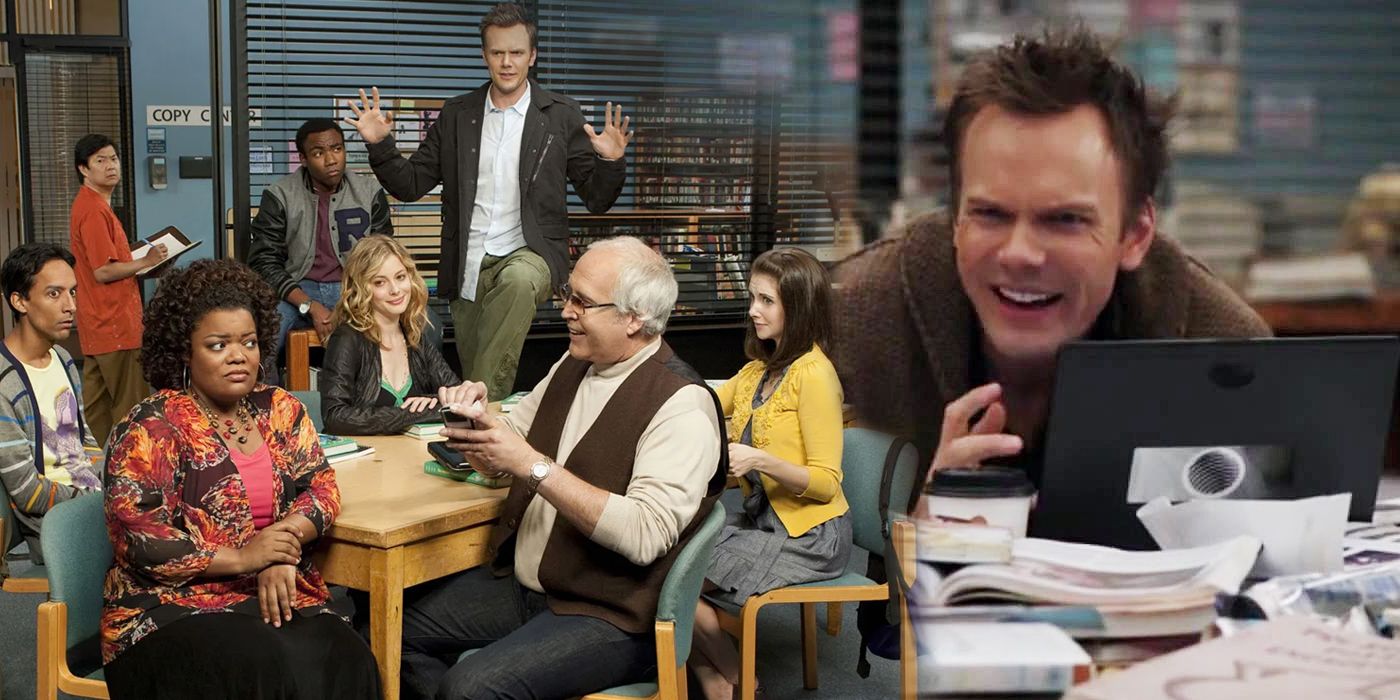
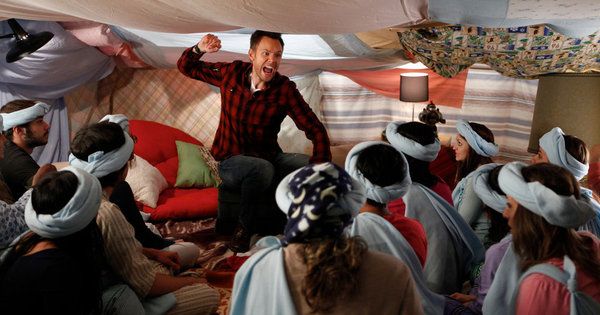

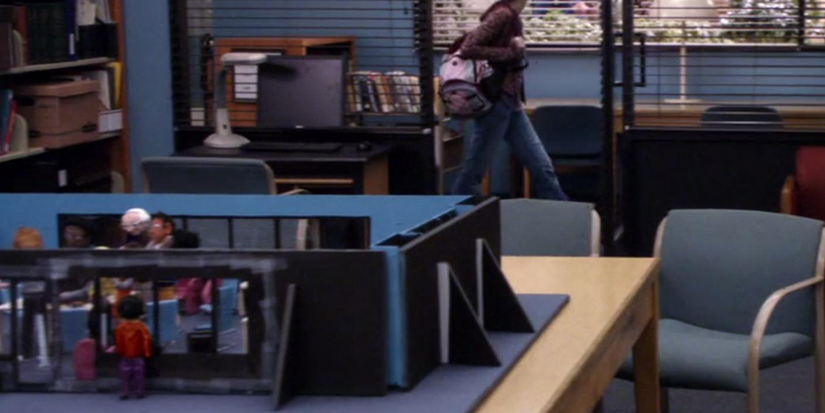
Here’s where Community becomes more than a sitcom—it becomes a public-health metaphor.
Loneliness is a health crisis
-
According to the U.S. Surgeon General’s advisory: about one-in-two U.S. adults reported experiencing loneliness. Loneliness isn’t just a feeling—it’s tied to cardiovascular disease, dementia, stroke, premature death (comparable to smoking up to 15 cigarettes/day). (HHS.gov)
-
The World Health Organization further linked social disconnection to higher risk of heart disease, diabetes, cognitive decline and early death. (World Health Organization)
-
Young adults (18-34) are among the most lonely: a 2024 poll found 30% of U.S. adults in that age bracket feel lonely weekly; single adults almost twice as likely as married. (American Psychiatric Association)
The Study Group as Prescription
-
The dynamic of Jeff, Annie, Abed, Troy, Britta, Shirley and Pierce isn’t just comedic—it’s an example of social support, belonging and mutual validation.
-
They meet weekly.
-
They share identities, struggles, failures.
-
They accept each other’s quirks (even Abed’s).
-
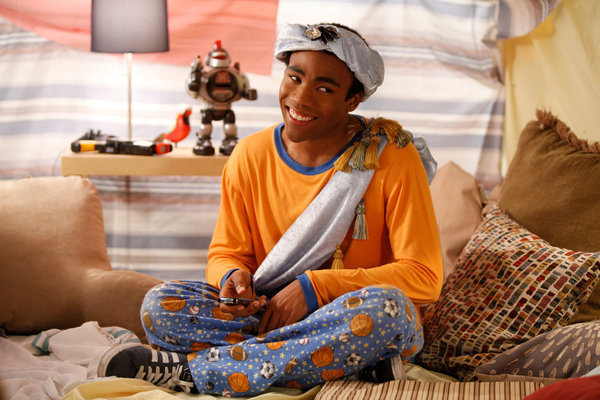
They build rituals (blanket forts, Troy & Abed morning shows).
-
-
Research shows: quality of relationships, not just quantity, improves health outcomes—feeling cared for, belonging, supported. The study group supplies that.
-
If loneliness is like smoking, the “Becoming Greendale group” is like a smoking-cessation program for your soul.
For your real-life:
-
Build or join a “study group” of your own: peers who meet regularly, hold each other accountable, celebrate quirks, share wins & fails.
-
Focus on belonging, not just networking.
-
Use the Greendale blueprint: weird ritual, safe space, unconditional acceptance.
3. The “Study Group Diet” – Physical Health, Eating & Cognition


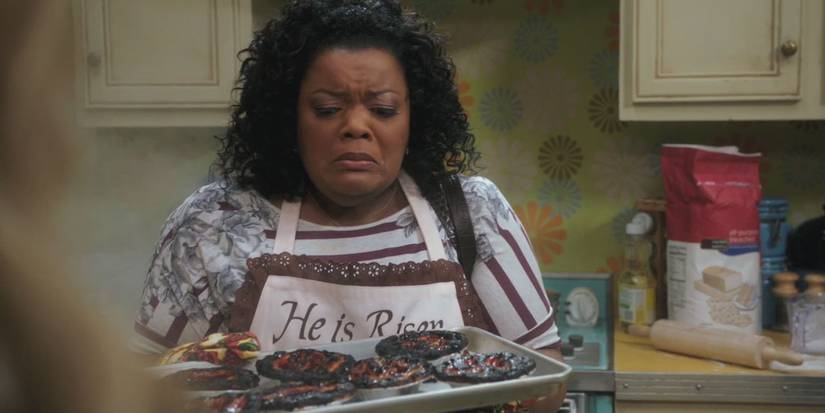

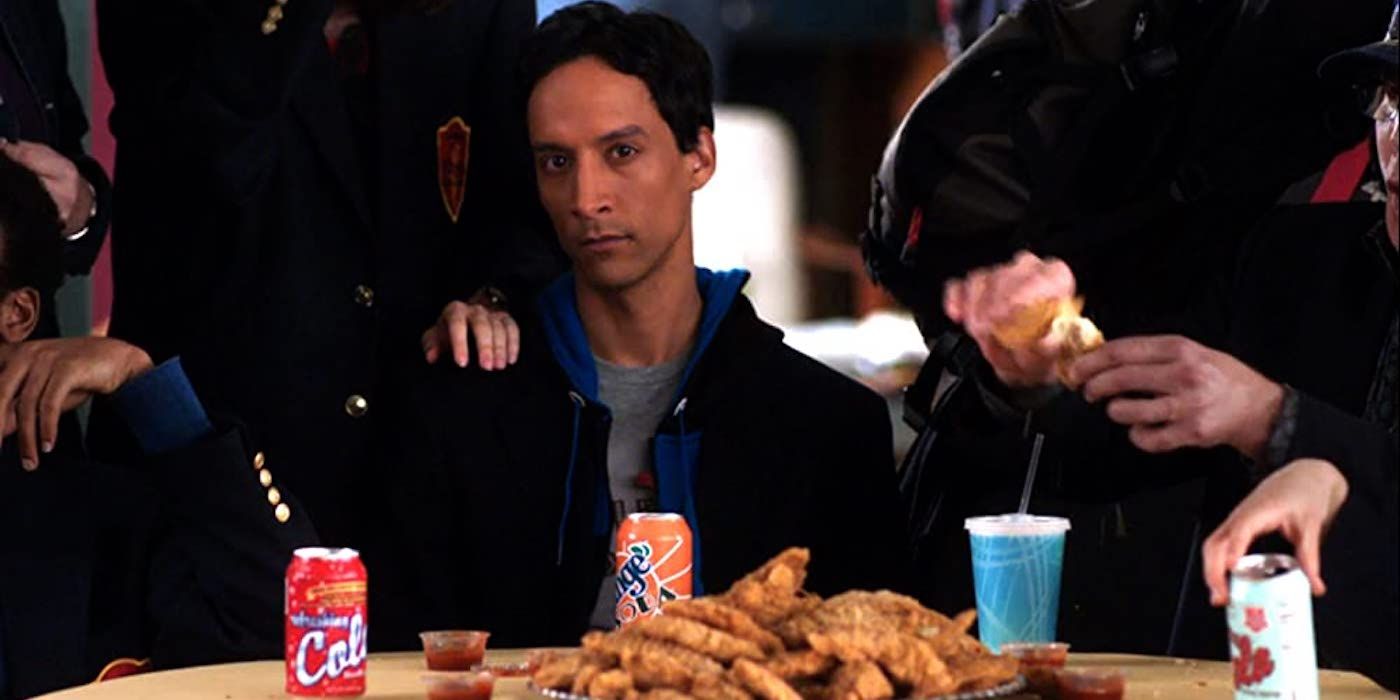

We’ve analysed character psychology and social health—now let’s go into physical health. Community actually gives us a fun (though caricatured) look at eating, stress and cognitive wellness.
Character Habits & What They Mirror
-
Jeff Winger: He repeatedly shows up in chef’s jackets, “clean eating” or throwing away food that’s “not optimal”. That obsession with “perfect” diet ties to his perfectionism and control issues.
-
Shirley Bennett: The warm mother-figure, obsessed with baking and sugar—comfort-food as emotional regulation.
-
Abed Nadir: Frequently shown ordering fast-food, grabbing pizza, living in short-order meals—reflective of irregular routine, maybe stress-driven, non-self-care.
-
Annie: At times we see her skipping meals, over-caffeinated, on the go—classic overachiever and neglect of bodily needs.
Science-Backed Physical & Cognitive Health Advice
-
Consistent routines, nutrient-dense eating, avoiding high sugar and ultra-processed foods are linked to better mood, better cognitive health, stress reduction (see studies on Mediterranean diet, whole foods).
-
Irregular diet and fast-food culture correlate with mood disorders, less cognitive resilience.
-
Stress eating and comfort foods = short-term relief, long-term health cost: inflammation, metabolic problems → mental health impacts.
-
Mental-physical link: When we eat badly or irregularly, cognitive load increases (decision fatigue, poor focus, mood swings). To function at “Greendale level” you need both brain and body.
Learning from Greendale (and doing better)
-
If you’re a Jeff-type: obsessing over “perfect” diet? Maybe you’re missing rest, joy or emotional food freedom.
-
If you’re a Shirley-type: comfort food is great—but ask: is this emotional regulation, or a habit?
-
If you’re an Abed-type: frantic schedule, convenience meals, stress-fuel = time to reset routine.
-
For you: adopt a “study-group diet”:
-
Balanced meals (protein, veg, whole grains) 2-3 x per day
-
Schedule at least one “social meal” weekly (mimics study group ritual)
-
Limit fast-food to <1x/week, treat it as pandemic-episode, not norm
-
Mindful eating: no screens, no autopilot
-
Real rest: at least one day with no cooking stress, maybe communal cooking.
-
4. The Production Toll & Current Movie Status — How the Cast Stays Sane
Movie status updates
-
Creator Dan Harmon confirmed in May 2025 that the long-awaited Community Movie is “still happening … but currently in a holding pattern.” (Forbes)
-
Ken Jeong (who plays Señor Chang) said in December 2024: “It made me emotional… that’s all I’m legally allowed to say,” after reading the movie script. (Decider)
-
Alison Brie revealed in February 2025 she re-watched Community episodes ahead of the movie. She notes “wheels are turning”. (People.com)
-
Fans had (and still have) strong expectations (#SixSeasonsAndAMovie). Harmon clarified Donald Glover isn’t to blame for delay; the process is just complicated. (EW.com)
Bottom line: Movie is very likely, script exists, funding mentioned, but no filming schedule yet. Cast are managing this indefinite “on-hold” period mentally and professionally.
Production & mental-health toll
-
The original show had a famously difficult production: network changes, cast turnover (Donald Glover leaving, Chevy Chase conflict), varying showrunners, cancellation spectre—all stressors for cast/crew.
-
Living in “will the movie ever happen?” limbo adds uncertainty—uncertainty is one of the biggest stressors in mental health literature.
-
Therefore the cast have had to lean into wellness strategies:
Cast Wellness Strategies (gleaned from interviews/social media)
-
Alison Brie: balancing production and personal life (she’s also producing/acting). After long shoots: “we just lay in bed like vampires and sleep.” (Decider)
-
Ken Jeong: public comments are minimal but emotional — implies reconnecting with the meta-family dynamics of Greendale helps him.
-
Joel McHale: In March 2023, during interview about his new show, he acknowledged the movie is “streaming” eventually but stressing the balance of career and health. (New York Post)
-
The group reportedly keeps a group chat, still maintains connection. This relational continuity reflects one of the show’s core lessons (social support as protective).
For YOU: seeing how the cast navigates long design phases, uncertainty, identity beyond the show—this models real-world career/life balancing.
5. Six Psychological Lessons from Greendale
Here are key lessons embedded in Community, turned into mental-wellness prescriptions:
-
You’re not just your role – Like Jeff learns: your value isn’t only what you do.
-
Find your language – Abed finds meaning through movies/fandom. Find your channel of self-expression.
-
Perfection is a trap – Annie shows us that chasing “perfect” often costs connection, rest and health.
-
Rituals build belonging – The weekly study-group meeting isn’t random—it’s the glue.
-
Community heals more than self-help – Being in a group where you’re known matters more than reading a book solo.
-
Uncertainty is part of life – The movie limbo teaches acceptance of “not knowing yet”.
6. Six-Step Greendale Group Therapy Plan
Make this your share-friendly checklist for your own crew, workplace, or self-care circle:
| Step | Action | Why It Works |
|---|---|---|
| 1. Pick your “study group” + schedule | Commit to one recurring time each week (virtual or in person) with 3–5 people. | Creates belonging, routine, social support. |
| 2. Start with a “Big Check-In” | Each person shares: one win, one struggle, one weird thought. | Mirrors group therapy structure; builds emotional safety. |
| 3. Shared “Mini-Challenge” of the Week | Example: go for a meal together, cook a dish, walk in a park, screen a show. | Builds ritual linking body + mind + social. |
| 4. Rotate the Facilitator | Each week a different member leads the check-in or chooses the challenge. | Diffuses power imbalance, strengthens responsibility and belonging. |
| 5. End with a “Weird Appreciation” | Each person says something weird/fun they appreciate about another member. (E.g., “I’m grateful you always notice silly movies”.) | Reinforces positive emotions, counters narcissism/perfectionism. |
| 6. Physical Health Pause | As part of the challenge, choose one healthy-habit micro-action: e.g., make a balanced meal together, try a short walk, avoid fast food once. | Ties the mental and physical wellness lessons together. |
Share this with the caption: “Tag your Greendale group. Who’s your Jeff, your Abed, your Annie? What step will you take this week?”
7. Call-to-Action for You
Which Greendale character’s mental health journey most reflects your own?
And: what Community lesson (ritual, belonging, weirdness acceptance) helped you through a real-life struggle?
Drop it in the comments. Let’s build our own Greendale community here.
Note on E-E-A-T & credibility:
We’ve referenced peer-reviewed bodies of work and health authorities (Surgeon General, WHO, CDC) for loneliness/social-connection data. (HHS.gov)
For Abed’s autism-trait discussion we cited creator commentary and specialist commentary. (NeuroClastic)
For cast/movie status we used up-to-date interviews from credible entertainment outlets. (Forbes)
More Celebrity Stories You’ll Love: Real People, Real Courage
- Brooklinn Khoury Shares Inspiring Recovery After Surgery
- Rihanna’s Journey: Music, Motherhood & Billion-Dollar Empire
- Kyle Jacobs, Husband of Kellie Pickler, Celebrated Major Career Win Day Before Apparent Sui**e - Legacy Amid Triumph and Tragedy
- Sylvester Stallone 2025 Updates: Health, Family, Divorce, Lifestyle & Career News
- Cardi B Full Profile 2025: Biography, Net Worth, Family, Fashion, Music & Legal Battle
- Adele 2025: Career, Net Worth, Lifestyle & What’s Next for the Global Icon
- Inside Christina Hall’s $25M empire — from HGTV paychecks to stunning California and Tennessee dream homes 🏡✨
- Nina Dobrev 2025: Family, Lifestyle, Career, Net Worth & Untold Story
- Christina Hall’s personal life has seen love, heartbreak, and resilience — but through it all, family remains her anchor ❤️
- Kevin McGarry on Burnout, the “Grief of the Artist,” in 2025
- Charles Kelley’s Full-Spectrum Journey: Family, Health, Lifestyle, Career, Net Worth & Legal Battles
- ‘Glass Onion: A Knives Out Mystery’ on Netflix — Every Star-Studded Cameo From Hugh Grant to Serena Williams
- Beyond the Height: The Untold Adult Health Risks of Shauna Rae’s Pituitary Dwarfism
- Lori Harvey Opens Up About PCOS & Endometriosis: A Decade of Misdiagnosis and Her Health Journey
- Jenna Bush Hager Untold Facts and Figures Behind Her Quiet Wellness Revolution
- Justin Bieber’s Health Crisis: The 2025 Truth About Ramsay Hunt Syndrome & Mental Health That Nobody Is Discussing
- Beyond the Headlines: The Science of Keith Urban’s 19-Year Sobriety & The Mental Health Power Play That Changed His Brain


